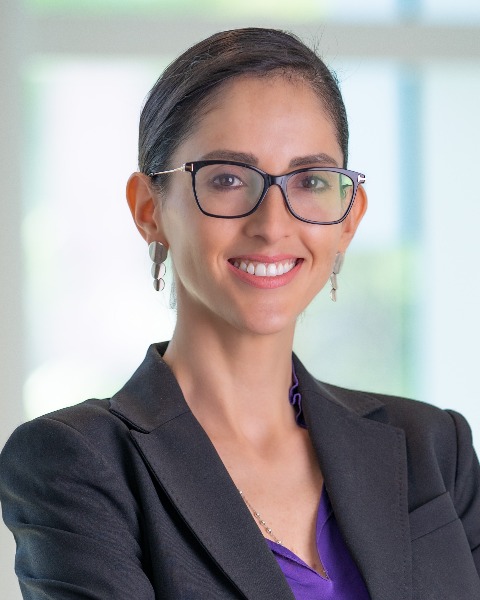
Assistant Professor Mayo Clinic Jacksonville, FL, United States
Disclosure(s):
Maria Daniela Hurtado Andrade, MD PhD: No relevant disclosure to display
Obesity is a heterogeneous disease with diverse biological, behavioral, and metabolic drivers. This session will examine evolving definitions and diagnostic criteria that better capture this complexity, discuss metabolic predictors of surgical outcomes to prevent inadequate weight loss or regain, and explore advances in precision obesity care—including behavioral phenotyping, metabolomic profiling, and individualized pharmacotherapy. By integrating data from clinical, surgical, and mechanistic research, speakers will outline how precision approaches can optimize treatment selection and long-term outcomes for people living with obesity.
Learning Objectives:
Explain current and emerging frameworks for defining and classifying obesity heterogeneity beyond BMI (e.g., staging systems, phenotypes).
Identify metabolic and clinical predictors of bariatric surgery response and strategies to prevent insufficient weight loss or regain.
Apply principles of precision obesity care—using behavioral clusters, metabotypes, and multi-omic biomarkers—to select and monitor individualized pharmacotherapy and care pathways.